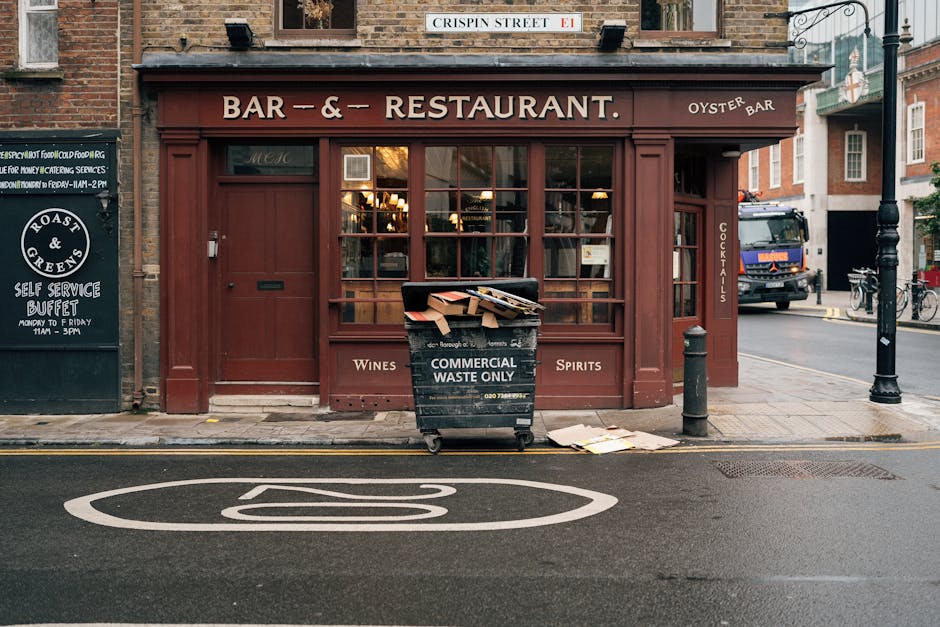
Kings Road Brompton rubbish removal guide for tenants
If you rent on or around Kings Road in Brompton, rubbish clearance can be one of those jobs that sounds simple until you are actually standing there with three bags, an old mattress, and a landlord who wants the flat left spotless by lunchtime. The good news is that a sensible Kings Road Brompton rubbish removal guide for tenants makes the whole process much easier. It helps you understand what to do, what to avoid, and how to choose the right disposal option without turning move-out week into a minor disaster.
In this guide, we will walk through how tenant rubbish removal works in practice, what matters locally, and the easiest ways to deal with unwanted items, bulky waste, and end-of-tenancy clutter. We will also look at common mistakes, compliance points, and the most practical options for flats, maisonettes, and shared homes. Truth be told, a little planning goes a long way here.
Table of Contents
- Why Kings Road Brompton rubbish removal guide for tenants Matters
- How Kings Road Brompton rubbish removal guide for tenants Works
- Key Benefits and Practical Advantages
- Who This Is For and When It Makes Sense
- Step-by-Step Guidance
- Expert Tips for Better Results
- Common Mistakes to Avoid
- Tools, Resources and Recommendations
- Law, Compliance, Standards, or Best Practice
- Options, Methods, or Comparison Table
- Case Study or Real-World Example
- Practical Checklist
- Conclusion
- Frequently Asked Questions
Why Kings Road Brompton rubbish removal guide for tenants Matters
Tenants often inherit the messy end of a property cycle: leftover furniture, broken bits from the previous occupier, packaging from a move, or items that simply will not fit in the standard bins. On a busy London road like Kings Road, that becomes even more noticeable because access, parking, and building rules can make even a small clearance feel complicated.
This matters for a few reasons. First, landlords and agents typically expect the property to be returned in a clean, presentable condition. Second, shared bin stores and communal areas can quickly become cluttered if bags are left out too long. And third, the wrong disposal method can cost you time, money, and sometimes an awkward conversation with the managing agent. Nobody wants that on a Friday afternoon with the keys already handed back.
There is also the practical side. A good rubbish removal plan saves your back, saves repeat trips to the tip, and reduces the chance of blocked hallways or complaints from neighbours. If you have ever tried to carry a dismantled wardrobe down stairs in a narrow Brompton stairwell, you will know exactly why preparation matters.
Expert summary: For tenants, rubbish removal is not just about getting rid of waste. It is about returning the property cleanly, avoiding breach of tenancy terms, and choosing a disposal method that fits the building, the item type, and the time available.
How Kings Road Brompton rubbish removal guide for tenants Works
In simple terms, tenant rubbish removal is the process of identifying what needs to go, sorting it into the right waste streams, and choosing a disposal route that works for the property and the schedule. For some people, that means a few black bags and a booking with a collection service. For others, it means clearing bulky furniture, white goods, and mixed household rubbish from a flat with tight access and limited parking.
In Brompton, the details matter. Flats are often in converted buildings, mansion blocks, or managed apartments where access rules are a real thing, not just an inconvenience. You may need to think about lift access, stair width, loading bays, or quiet hours. If the item is heavy or awkward, a service such as rubbish removal can be more straightforward than trying to organise several separate trips yourself.
For larger clearances, tenants sometimes compare approaches such as skip hire, man and van collection, or a fixed-price clearance job. The right choice depends on volume, item type, timing, and whether the property has space outside. A small flat with no driveway is very different from a house on a quieter side street. Let's face it, one size rarely fits all in London.
The process usually looks like this:
- Identify the items that need removing.
- Check tenancy rules, building rules, and any special disposal restrictions.
- Separate reusable, recyclable, and general waste where possible.
- Choose the best collection method for the volume and access conditions.
- Book a suitable time and prepare the items for removal.
- Make sure the area is left tidy and safe after collection.
If you are working to a move-out deadline, same-day or next-day collection may be useful. In other situations, a planned collection a few days before checkout gives you breathing room. That breathing room is underrated.
Key Benefits and Practical Advantages
The most obvious benefit is convenience, but there is more to it than that. A well-managed clearance makes moving out smoother, helps prevent disputes, and can even make inventory sign-off easier if the flat is left in better shape than expected.
- Less stress at the end of tenancy: You can deal with waste in one go instead of juggling endless bin bags.
- Better presentation for inspections: Clean floors, empty corners, and no stray rubbish make a strong impression.
- Safer removal of bulky items: Heavy furniture and appliances are less likely to cause damage when handled properly.
- Reduced risk of missed charges: Dumped rubbish or leftover items can lead to cleaning or removal deductions.
- More efficient recycling: Good sorting can keep reusable or recyclable items out of landfill where possible.
There is also a quieter benefit that tenants sometimes forget: peace of mind. When the waste is gone, the property feels like it has been properly closed out. That matters, especially if you are handing over keys and trying to mentally move on to the next place.
Who This Is For and When It Makes Sense
This guide is useful for a wide range of tenants, not just people leaving at the end of a lease. It makes sense whenever waste is more than you can realistically handle through normal household bins.
You may need tenant rubbish removal if you are:
- moving out of a rented flat or house
- replacing furniture or white goods
- clearing a spare room after a long tenancy
- dealing with unwanted items left by a previous occupier
- sharing a property and splitting a bulk clear-out between housemates
- preparing a flat for inspection, decorating, or inventory repairs
- managing a small office or live-work space rented on a short-term basis
It also makes sense when the property layout is awkward. A first-floor flat above a shop, a basement apartment, or a building with no lift can make even light rubbish feel annoying to move. In those cases, collection support can be worth it simply to avoid a long carry down narrow stairs with bags that keep splitting at the worst moment.
Sometimes the issue is not volume, but timing. If your checkout is on a weekday morning and your removal needs to happen the day before, a service that can work around access windows becomes much more valuable than the cheapest option on paper.
Step-by-Step Guidance
Here is a practical tenant-friendly approach that works well for most small to medium clearances in Brompton.
1. Walk through the property room by room
Start with the obvious places: bedrooms, kitchen, lounge, hallway, storage cupboards, loft spaces, and under-bed areas. Small items hide everywhere. You will often find the real waste load is bigger than you thought, mostly because clutter gathers in corners like it is paying rent.
2. Separate items into clear categories
Sort into general rubbish, recycling, bulky furniture, electricals, and anything special such as paint, chemicals, or damaged items that may need separate handling. Keep similar things together. It saves time later and helps avoid accidental mixing.
3. Check what should not go in standard disposal
Some items need special handling. Common examples include fridges, mattresses, televisions, batteries, and hazardous materials. If you are not sure, pause and check before putting it out with general waste. Guessing is rarely the clever move here.
4. Measure access and parking conditions
Measure the width of stairwells, note any lift restrictions, and check whether a vehicle can stop close enough for loading. On busy streets, parking and timing can be the difference between a smooth collection and a frustrating wait.
5. Choose the right collection method
For a small amount of rubbish, a man and van style service can be very efficient. For larger loads, domestic skip hire may be more practical if there is suitable space. If access is tight and you want the waste removed without leaving a container outside, a removal team may be the cleanest solution.
6. Prepare the items properly
Break down flat-pack furniture if possible, remove loose contents from drawers, and tape sharp edges where sensible. If you are clearing appliances, make sure they are disconnected safely first. A few minutes of prep can save a lot of trouble.
7. Keep a final sweep for forgotten items
Check cupboards, balcony corners, under sinks, and behind doors. You would be surprised how often one pair of shoes, an old lamp, or a box of cables gets missed until the very end.
8. Confirm the property is left tidy
After removal, sweep or vacuum the area and check communal spaces for accidental debris. That final tidy-up matters more than people think, especially in well-kept Brompton buildings where neighbours do notice.
Expert Tips for Better Results
A few small decisions can make a big difference.
- Book earlier than you think: End-of-tenancy weeks get busy fast, particularly at month-end and around university move periods.
- Take photos before and after: This gives you a record in case there is any dispute about how the property was left.
- Bundle similar waste together: It makes it easier to estimate volume and decide what needs specialist handling.
- Ask about recycling separation: Responsible waste handling is worth prioritising, especially for metal, cardboard, and reusable furniture.
- Choose collection times that fit the building: Morning slots can be easier if access is shared and lift use is busy later in the day.
- Keep fragile items away from the route: Hallways are a good place to chip walls or knock mirrors if everything is left in the wrong spot.
If you are dealing with a flat that has a mix of junk and decent reusable items, take a minute to decide whether anything can be donated, repurposed, or sold. Not everything needs to become waste. A wobbly side table, maybe not. But a perfectly good chair that no longer fits the flat? That has a second life somewhere.
One small tip from real-life move-outs: leave the final clear-out until the property is mostly empty, not the other way around. It is much easier to see what remains when the big furniture is already gone. Sounds obvious, yet people still do it backwards all the time.
Common Mistakes to Avoid
Most tenant rubbish problems come from rushing. The main mistakes are practical, not dramatic.
- Leaving everything until the last day: That creates pressure and usually leads to poor decisions.
- Mixing prohibited items with general rubbish: Some waste needs special handling and should not be hidden in a black bag.
- Ignoring access issues: A service cannot always work miracles if there is no parking or the item will not fit through the stairwell.
- Underestimating the volume: Small piles grow. Fast.
- Forgetting shared areas: Communal halls, bin stores, and entrances should not be left cluttered.
- Not checking tenancy obligations: Some agreements require waste to be removed and the property left in a specific condition.
Another mistake is assuming the cheapest option is always the best. Sometimes it is. Sometimes it is not. If a bargain price means multiple trips, delays, or a team that is not prepared for stairs and awkward access, the cheap option can become the expensive one by the end of the day.
Tools, Resources and Recommendations
You do not need a huge kit, but a few basic tools make tenant rubbish removal much easier.
- Heavy-duty bin bags: Better for mixed rubbish and less likely to split.
- Gloves: Helpful for dusty loft items, old storage boxes, and anything with sharp edges.
- Label tape or marker pens: Useful if housemates are splitting items between keep, donate, recycle, and remove.
- Basic screwdriver set: Handy for taking apart flat-pack furniture.
- Furniture blankets or old sheets: Useful for protecting walls, floors, and item surfaces during moving.
- Phone camera: Good for documenting the property and any items that may need to be shown to a landlord or agent.
In terms of services, tenants often compare a few practical options. For mixed household loads, man and van collections can work well where speed and labour matter. For bigger clearances or heavier loads, skip hire may be more suitable if the property layout allows it. If you expect a lot of bulky waste, reading up on skip sizes and prices can help you avoid booking a container that is too small or overpaying for unused capacity.
For tenants dealing with a one-off rush, same-day skip hire or a fast collection slot may be worth exploring, though availability will depend on timing and access. If your waste is heavy but loose, grab hire services can be useful in the right setting, although they are not the best fit for every flat. Different tools for different jobs, as they say.
Law, Compliance, Standards, or Best Practice
Tenant rubbish removal is not just about convenience. There is a compliance side too, even if most people only notice it when something goes wrong.
In the UK, household and rental waste must be disposed of responsibly. Tenants should avoid fly-tipping, leaving items beside bins, or dumping waste in communal areas. Landlords and managing agents may also have rules about keeping shared spaces clear and using specific collection arrangements. If a building has its own refuse policy, follow it. It may feel fussy, but those rules usually exist because someone already caused a problem once.
Best practice includes:
- using a lawful waste carrier or recognised disposal route
- sorting recyclable items where possible
- keeping hazardous materials separate
- avoiding obstruction of walkways, exits, and shared access routes
- making sure appliances are handled safely and appropriately
If you are leaving a tenancy, it is wise to keep some proof of collection or disposal, especially for bulk waste. A quick receipt, booking record, or email confirmation can be useful if questions come up later. Not glamorous, but very handy.
For buildings with strict management, you may also need to respect timing rules, lift protection requirements, and loading restrictions. These are not always written in bold letters on a poster, so it pays to ask early. Better a slightly awkward question than a damaged wall or a complaint from downstairs.
Options, Methods, or Comparison Table
Tenants in Brompton usually end up choosing between a few main methods. Each has its place, and the right answer depends on the waste type, access, and urgency.
| Method | Best for | Pros | Watch-outs |
|---|---|---|---|
| Man and van clearance | Mixed household waste, bulky items, quick clear-outs | Flexible, labour included, good for stairs and small flats | Needs clear access and a reliable time slot |
| Skip hire | Medium to larger volumes, ongoing clear-outs | Good capacity, simple for staged loading | Needs space outside and may require permission or a permit |
| Wait and load | Properties with no parking or where a skip is impractical | No container left behind, useful in tight streets | Requires items to be ready quickly when the team arrives |
| Domestic rubbish removal | Smaller domestic jobs and single-room clearances | Convenient and often straightforward for tenants | Not always the best fit for very large loads |
If you are unsure which route fits your situation, think in terms of access first, then volume, then timing. That order usually saves mistakes. A lot of people start with price, which is understandable, but not always the smartest first filter.
Case Study or Real-World Example
Picture a tenant in a second-floor Brompton flat, moving out on a Thursday morning. The property has a narrow staircase, limited landing space, and no lift. There is an old mattress, a dismantled desk, several bags of mixed rubbish, and a small appliance that is too awkward to drag downstairs without scraping the wall.
If they try to do it all themselves, the job can stretch across two evenings and a lunch break. Bags get heavy. Dust appears from nowhere. One box spills halfway down the hall. You know the sort of thing. By the time checkout comes around, the place still feels half-finished.
A more organised approach would be to sort the waste the day before, separate anything recyclable, and book a collection method that suits the access restrictions. In this sort of flat, a man and van style clearance often works better than trying to force a skip solution where parking is limited. The items are gone in one visit, the route is protected, and the tenant can spend the next morning on final cleaning rather than hauling bags to a bin store.
What changed? Not the amount of waste. The plan. That is usually the bit people underestimate.
Practical Checklist
Use this checklist before you book or start clearing:
- Have you checked the tenancy agreement and move-out requirements?
- Have you walked through every room, cupboard, and storage area?
- Have you separated rubbish, recycling, bulky items, and special waste?
- Do you know whether any items need special handling?
- Have you measured access points, stairs, and lift restrictions?
- Is parking or loading space available near the property?
- Have you chosen the most suitable disposal method for the volume?
- Have you booked at a time that fits building rules and checkout deadlines?
- Have you protected floors, walls, and communal areas where needed?
- Have you taken photos before and after the clearance?
- Have you done a final sweep for forgotten items?
If that all sounds a bit fussy, fair enough. But this is the sort of fuss that saves time later.
Get a free quote today and see how much you can save.
Conclusion
Tenant rubbish removal on Kings Road in Brompton does not need to be complicated. The key is to sort early, choose the right method for your access and waste type, and give yourself enough time to avoid a last-minute scramble. Whether you are leaving a flat, clearing a spare room, or dealing with bulky items after a move, a calm plan will nearly always beat a rushed one.
If you remember only one thing, make it this: the best rubbish removal job is the one that leaves no stress behind. Clean floors, clear hallways, no surprises. That is the goal, really.
And once it is done, it is done. Nice feeling, that.
Frequently Asked Questions
What is the best rubbish removal option for tenants in Brompton?
The best option depends on how much you need to remove, what type of waste it is, and whether your building has easy access. For small to medium loads, a collection service is often simplest. For bigger jobs, skip hire may be better if there is space.
Can I leave rubbish in the communal bin area before move-out?
Usually, no. Communal bin stores should stay clear and tidy, and large items should not be dumped there unless your building specifically allows it. It is safer to arrange proper collection or disposal.
Do tenants need permission for a skip outside the property?
Sometimes. If the skip would sit on public land, a permit may be required. Rules can vary depending on the location and the setup, so it is worth checking before booking.
How far in advance should I book rubbish removal?
As early as you can, especially near month-end, weekends, or moving periods. If your move-out date is fixed, booking ahead reduces the chance of delays and awkward last-minute decisions.
What items are usually classed as bulky waste?
Typical bulky items include sofas, mattresses, wardrobes, tables, chairs, and appliances. Some of these may need special handling, so do not assume every bulky item can go with general rubbish.
Can rubbish removal help with end-of-tenancy cleaning?
Yes, in the sense that clearing the waste first makes cleaning much easier. Empty rooms are quicker to clean, and you can reach corners, skirting boards, and under furniture properly.
Is man and van collection better than skip hire for flats?
Often, yes. Flats usually have tighter access, less parking, and more restrictions on where containers can sit. A collection service can be more practical when space is limited.
What should I do with old furniture that is still usable?
If it is in decent condition, consider reuse or donation before disposal. That way, the item may get a second life instead of becoming waste straight away.
How do I avoid extra charges when moving out?
Clear the property fully, leave it tidy, and check that no items are left behind in cupboards, lofts, balconies, or communal spaces. Photos are useful too, just in case you need evidence later.
Can I mix recycling with general waste if I am short on time?
It is better not to. Mixing materials can make recycling harder and may create disposal issues. A quick sort at the start usually saves more time than it costs.
What if I have one awkward item like a fridge or mattress?
Single bulky items are often the easiest to arrange once you know what they are. Appliances and mattresses may need specific handling, so it is best to choose a service that deals with them properly.
How do I know if a waste service is suitable for my tenancy?
Check whether they can handle the volume, access, and waste types involved, and whether they can work within your move-out schedule. If they understand tenant clearances, that is usually a good sign.
What if I live in a managed building with strict access rules?
Then those rules come first. Arrange timings carefully, protect communal areas, and let the building know what is happening if needed. A little coordination prevents a lot of hassle.
Is it worth paying for a professional collection if I only have a few bags?
If you can manage those bags yourself safely, maybe not. But if access is awkward, time is tight, or you have mixed bulky items, professional collection can still be worth it for the convenience alone.
When tenants plan rubbish removal properly, the whole move feels calmer. Less lifting, fewer surprises, and a cleaner handover at the end. That is usually what people want most, even if they only say it after the stress has passed.